
Goals
- Communicate Earth Index’s core functionality through clear, human language and visuals.
- Highlight the speed, ease, and broad applicability of the tool.
- Support user onboarding through clear explanation of how the AI search works.
- Position Earth Index as a flagship product of Earth Genome’s growing portfolio.
- Establish a distinctive, minimal, data-forward visual identity.
Brand & Visual Identity
We developed a new visual identity system for Earth Genome (read case study) and its products, including Earth Index. The identity is clean, geometric, and flexible — balancing scientific credibility with simplicity and focus.

Discovery & direction (2022)
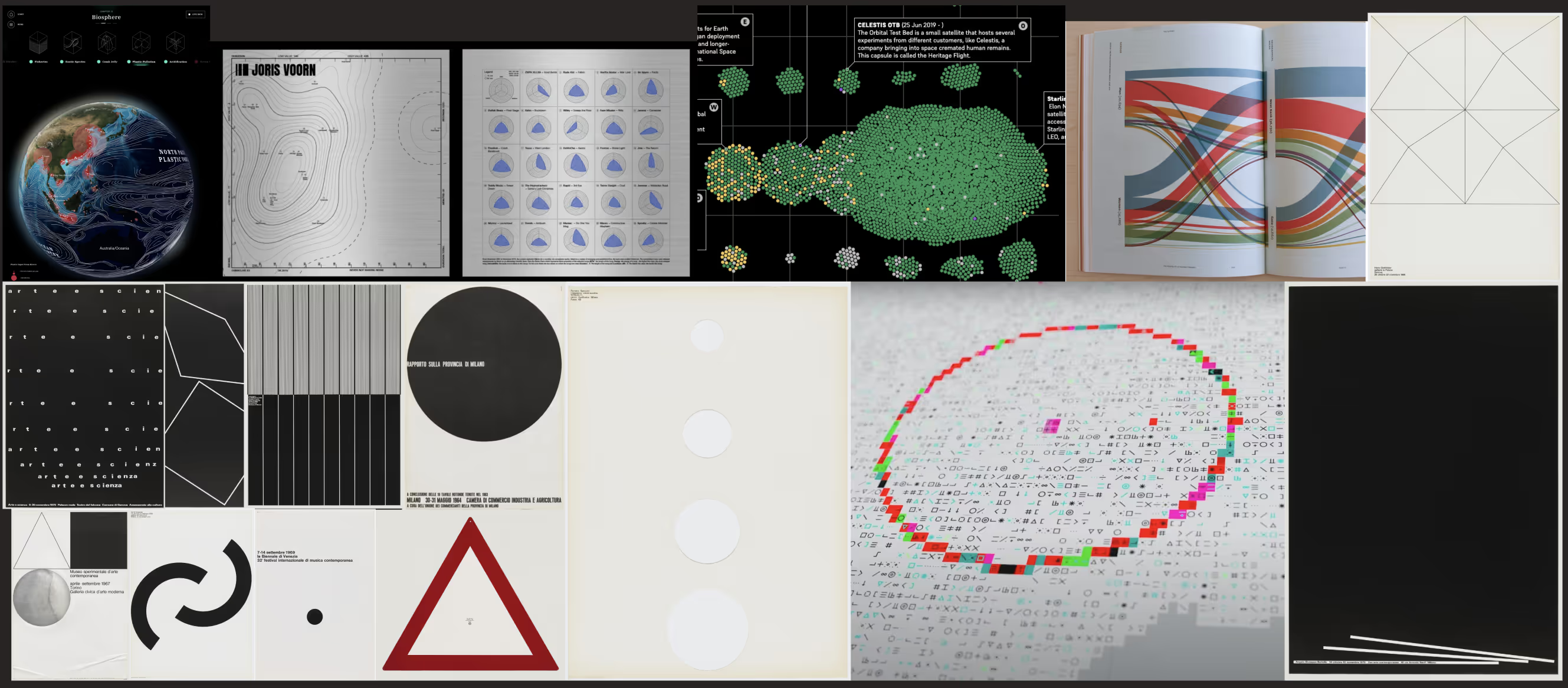
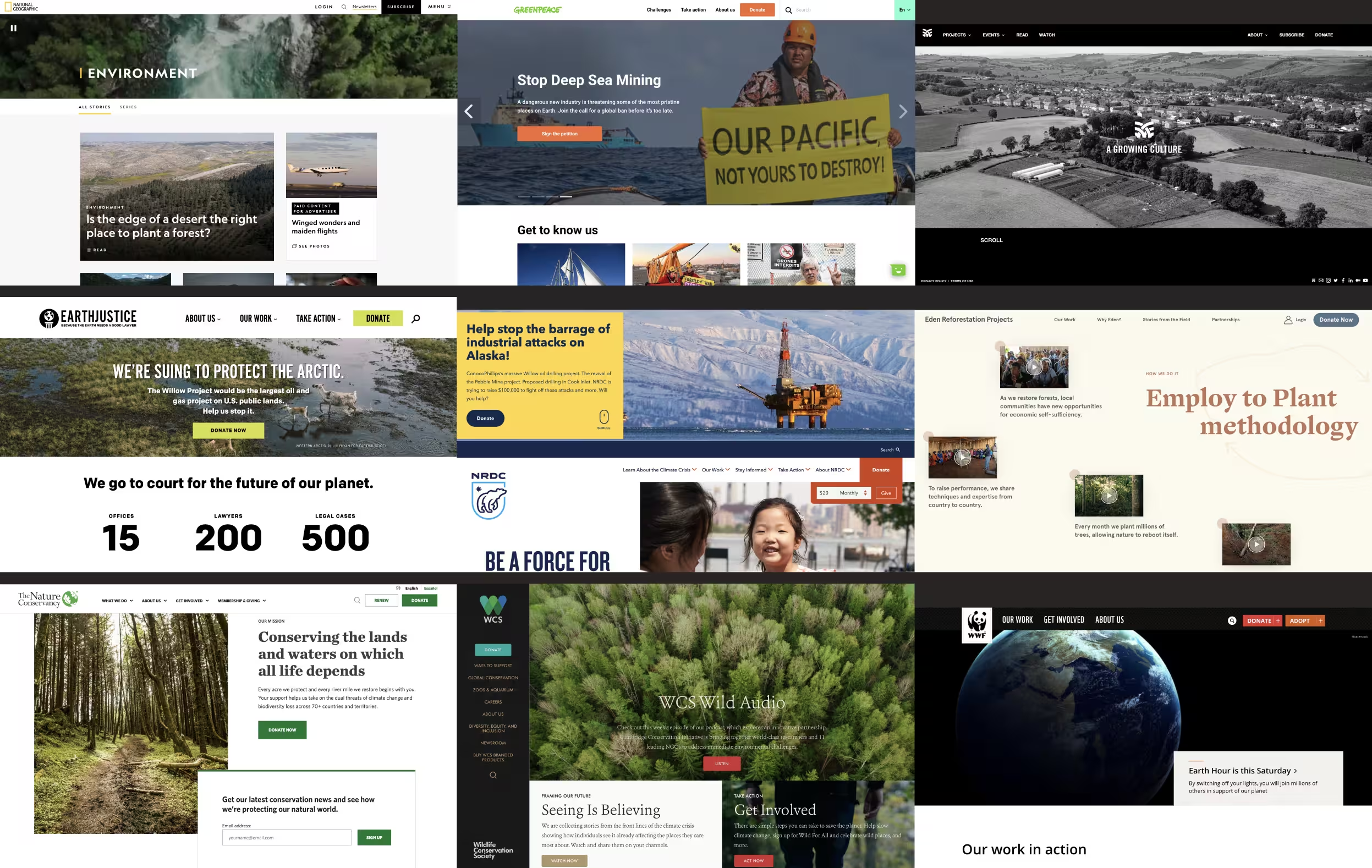
Back in 2022 we started the first phase of the project. We explored a broad visual spectrum grounded in Earth Index’s scientific and technical mission. Initial moodboards spanned vintage data visualization, Bauhaus minimalism, planetary systems, and typographic clarity — all pointing toward a crisp, analytical design language. In parallel, we reviewed website references from environmental orgs and data-tech platforms to identify a tone that feels rigorous yet accessible.
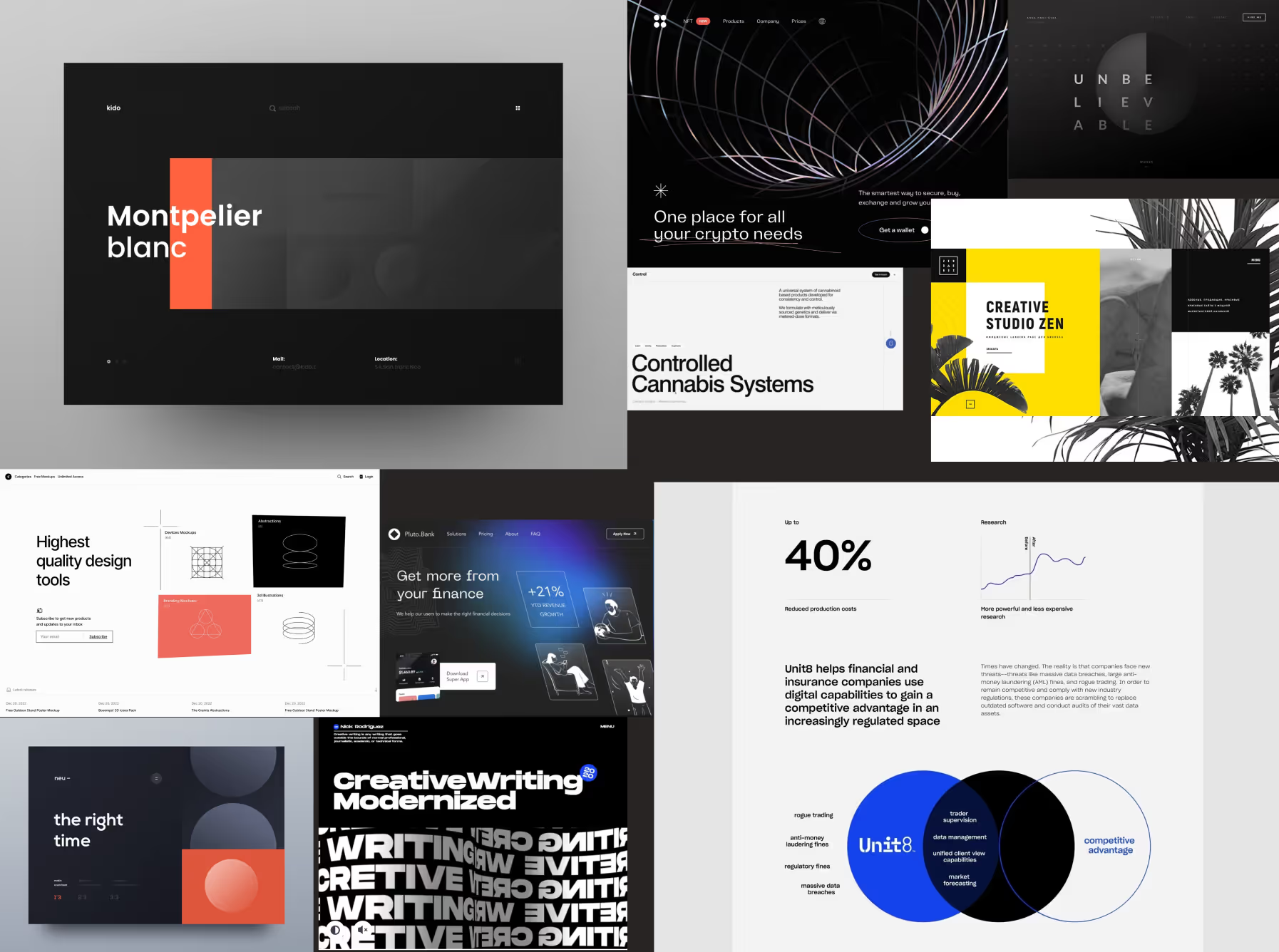
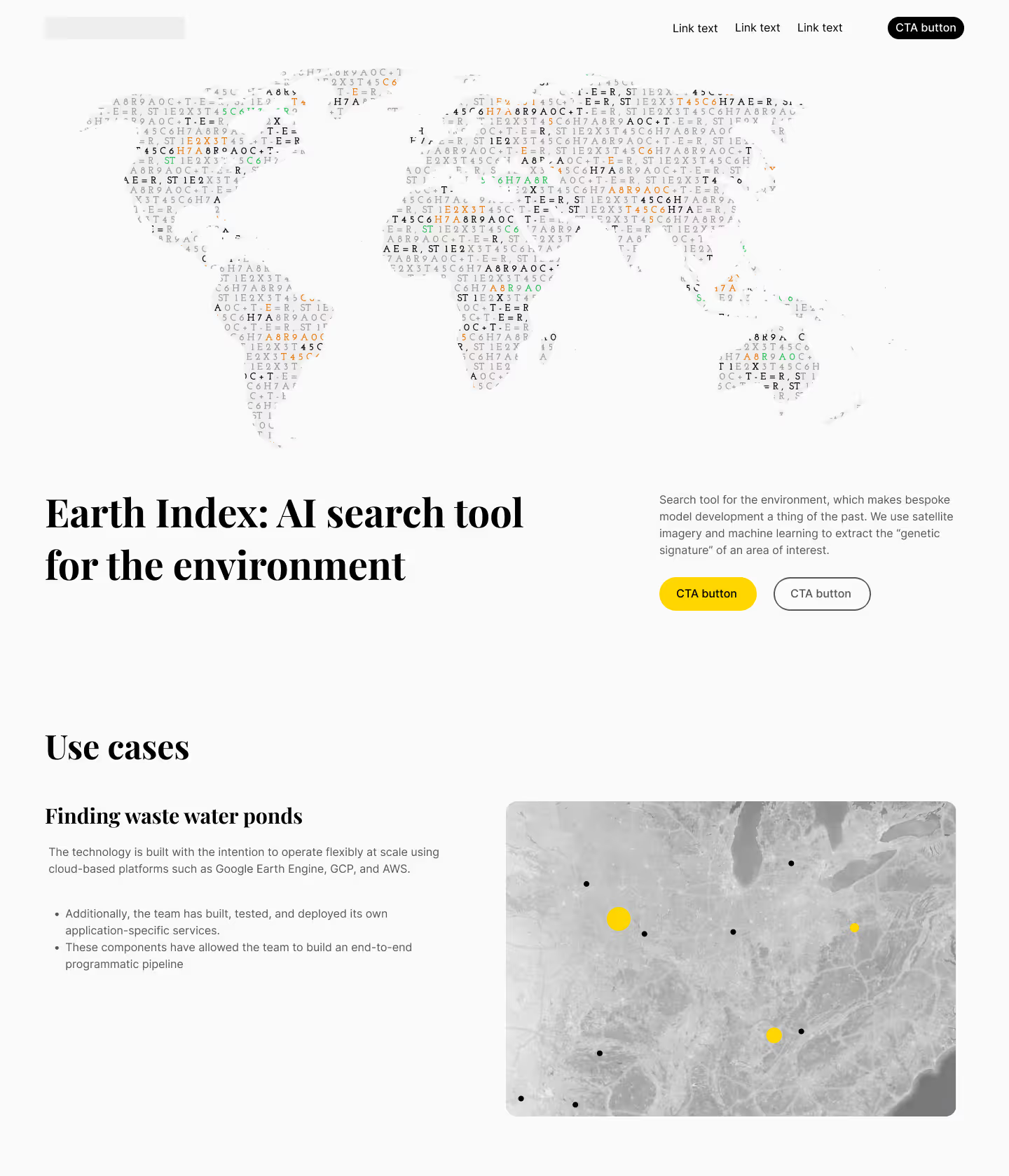
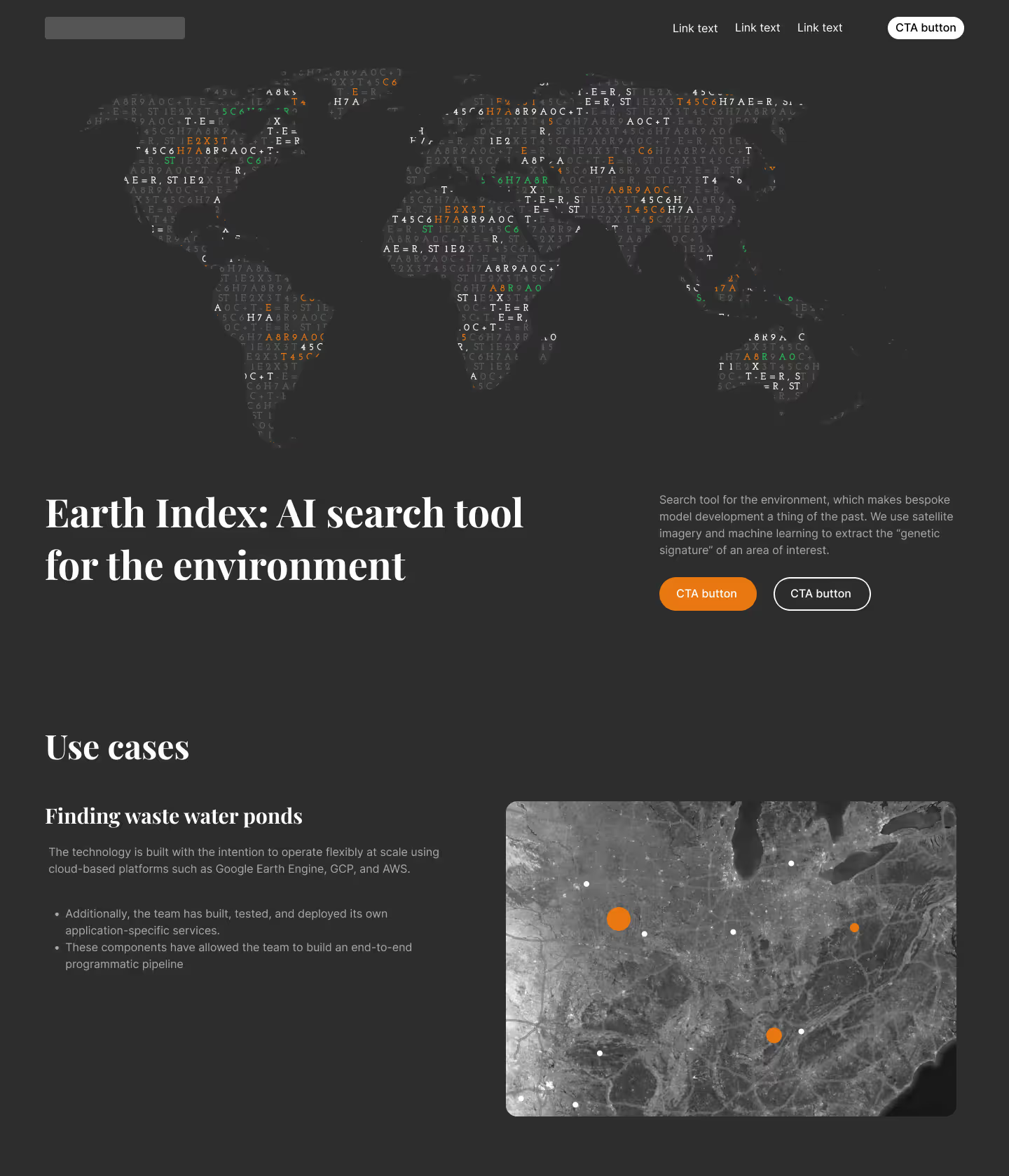
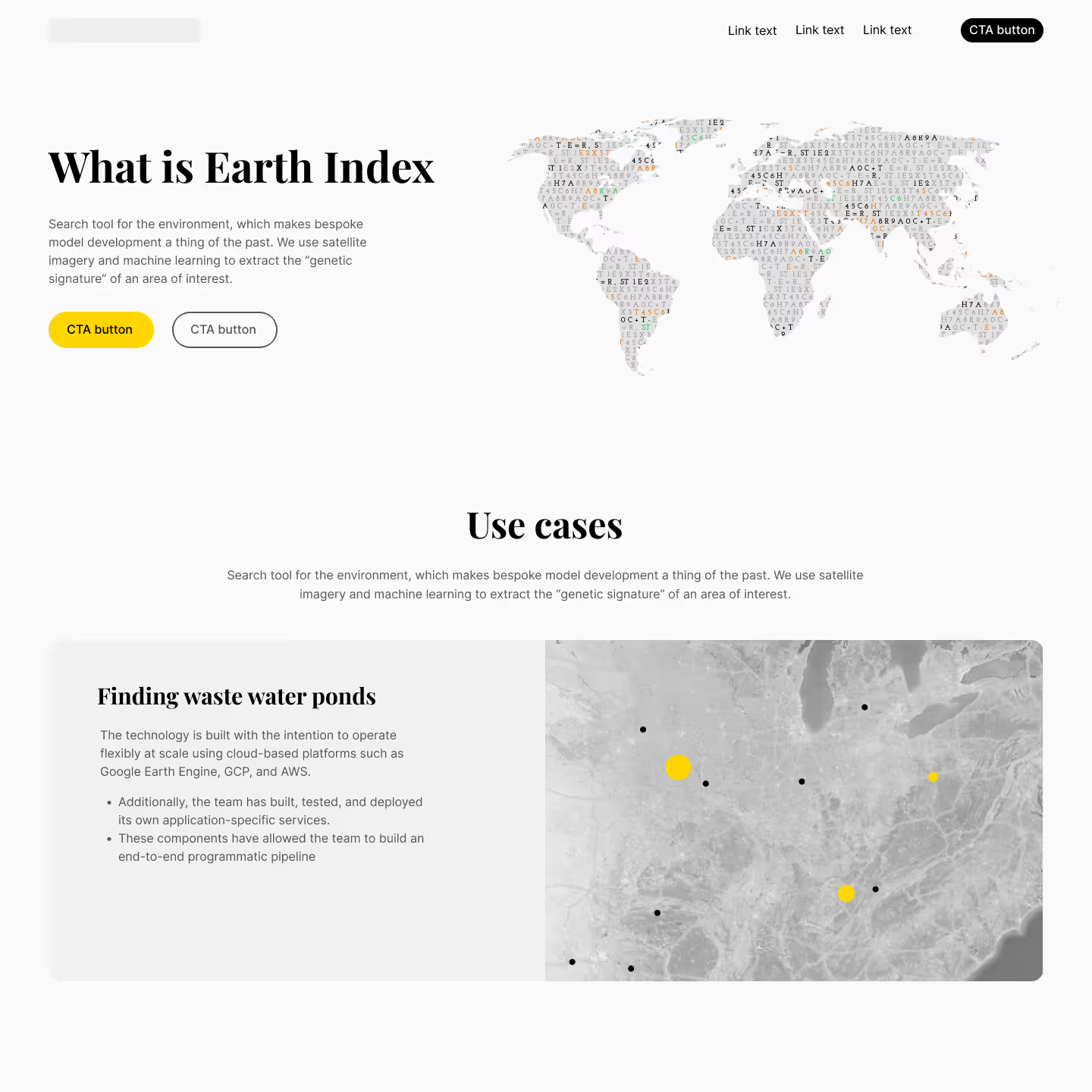
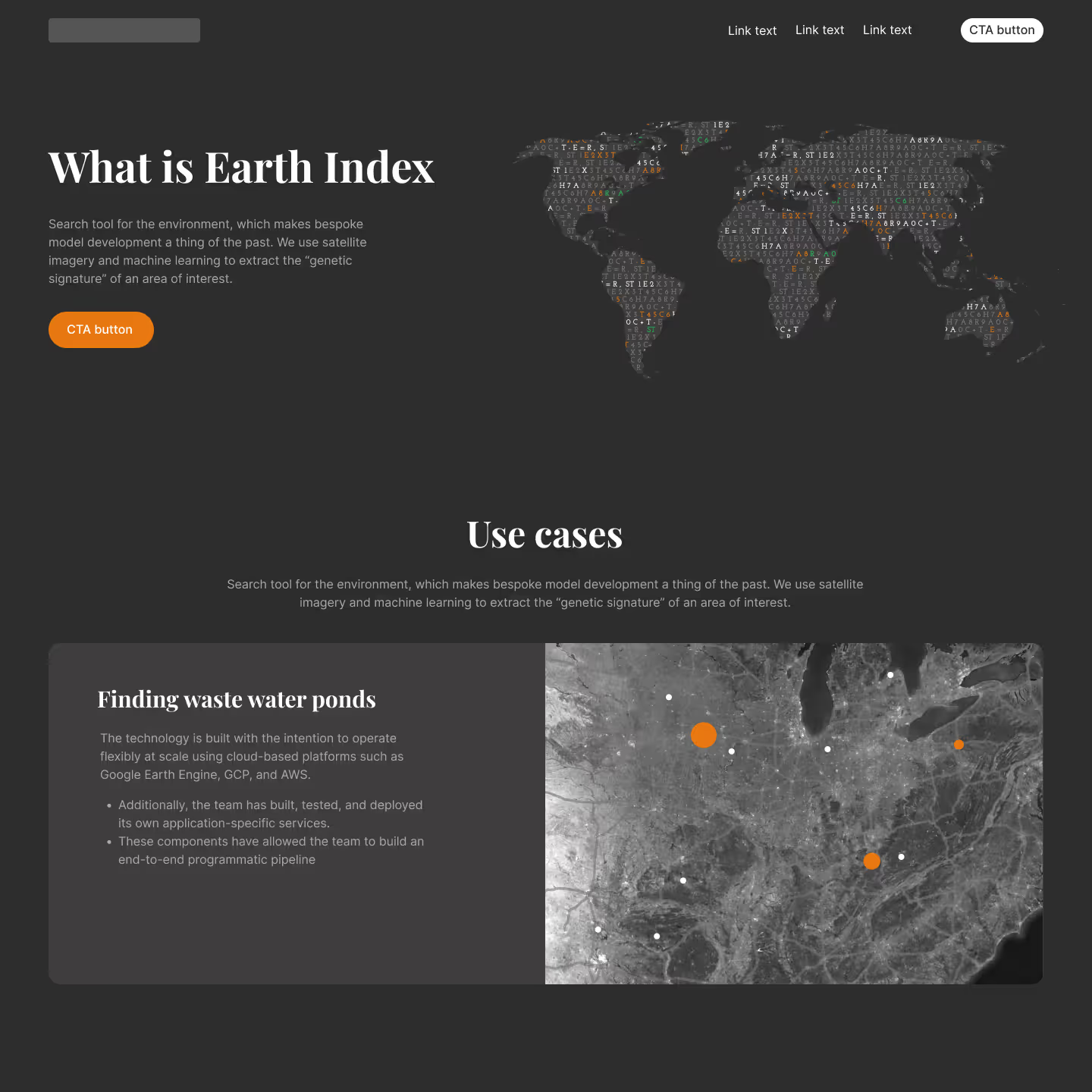
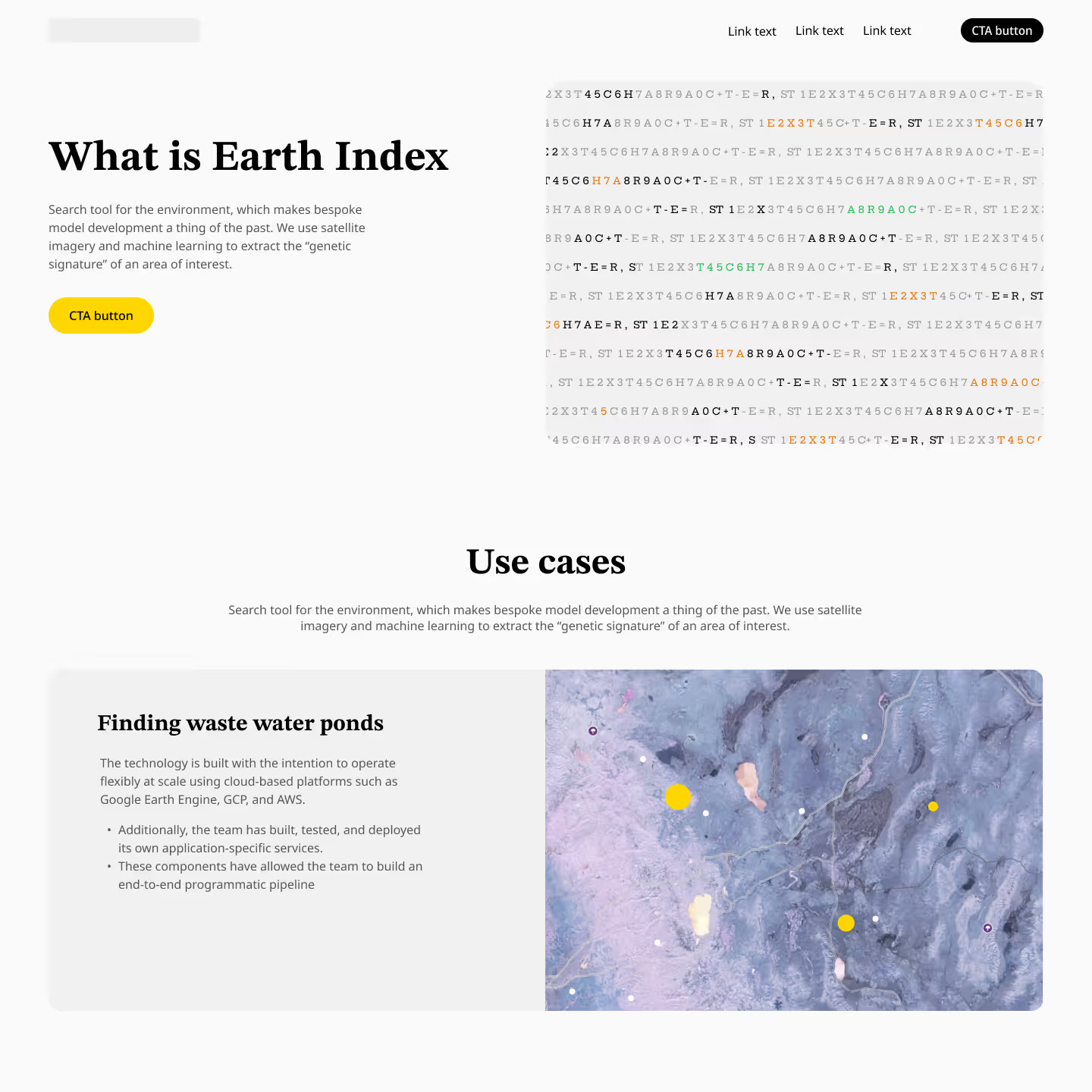
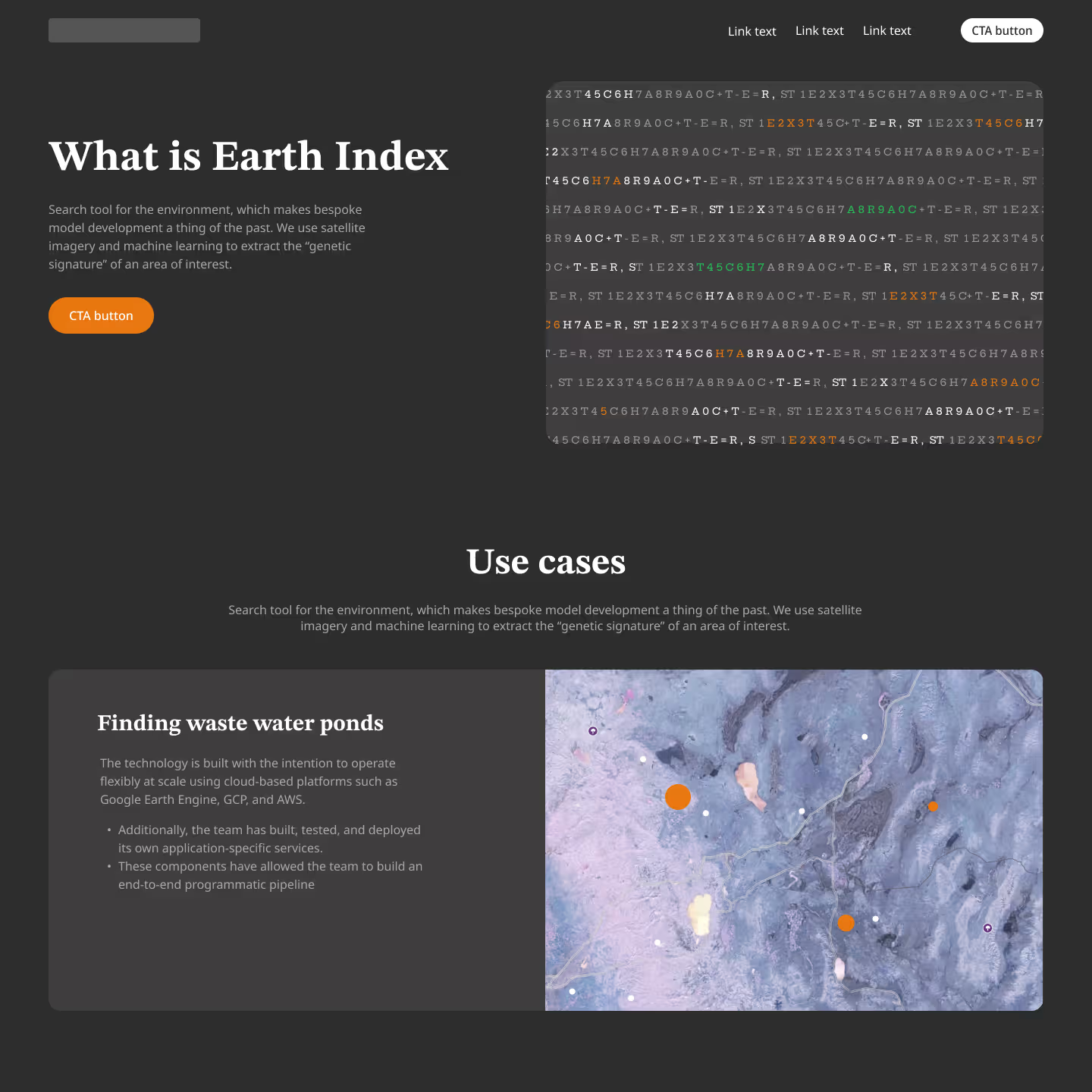
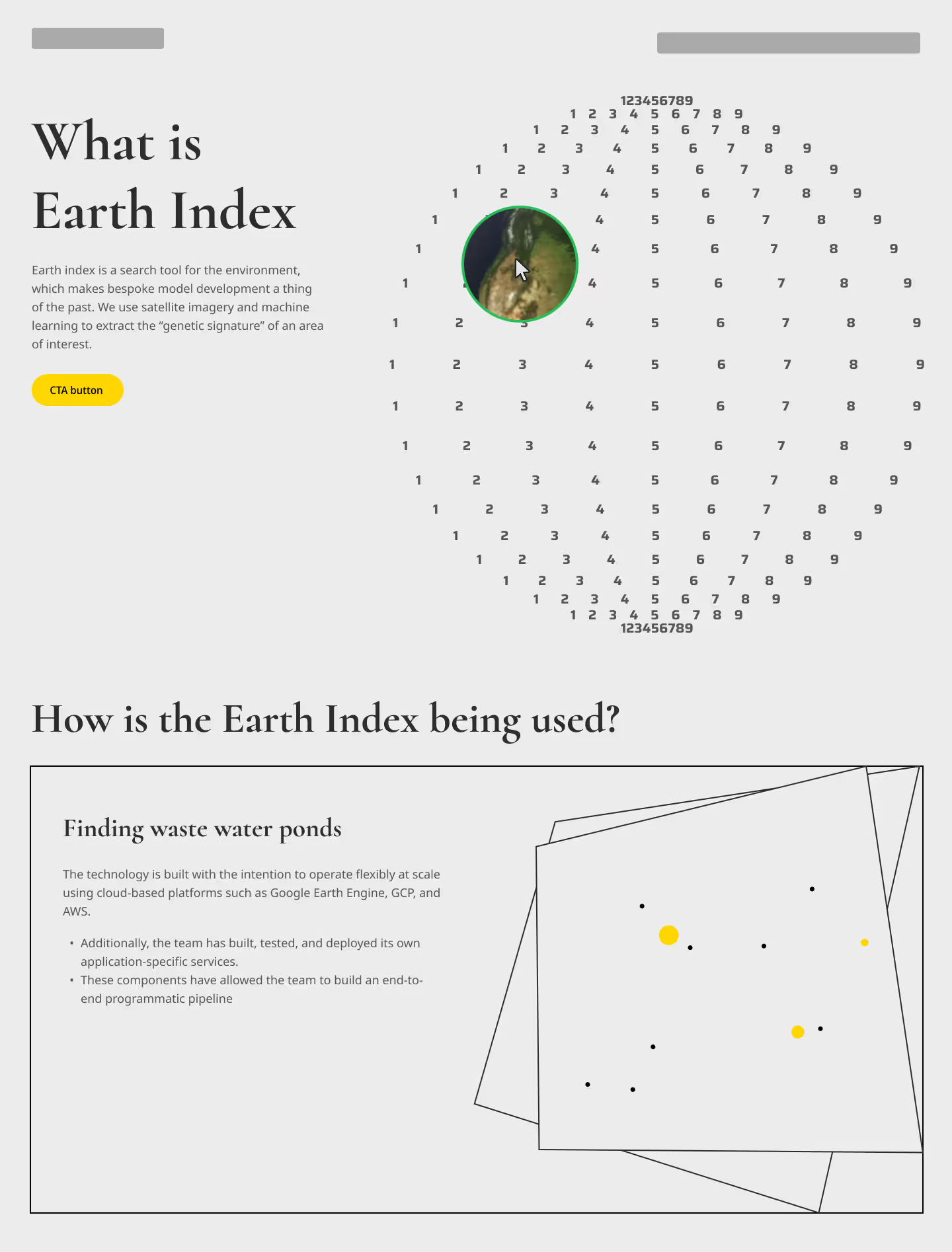
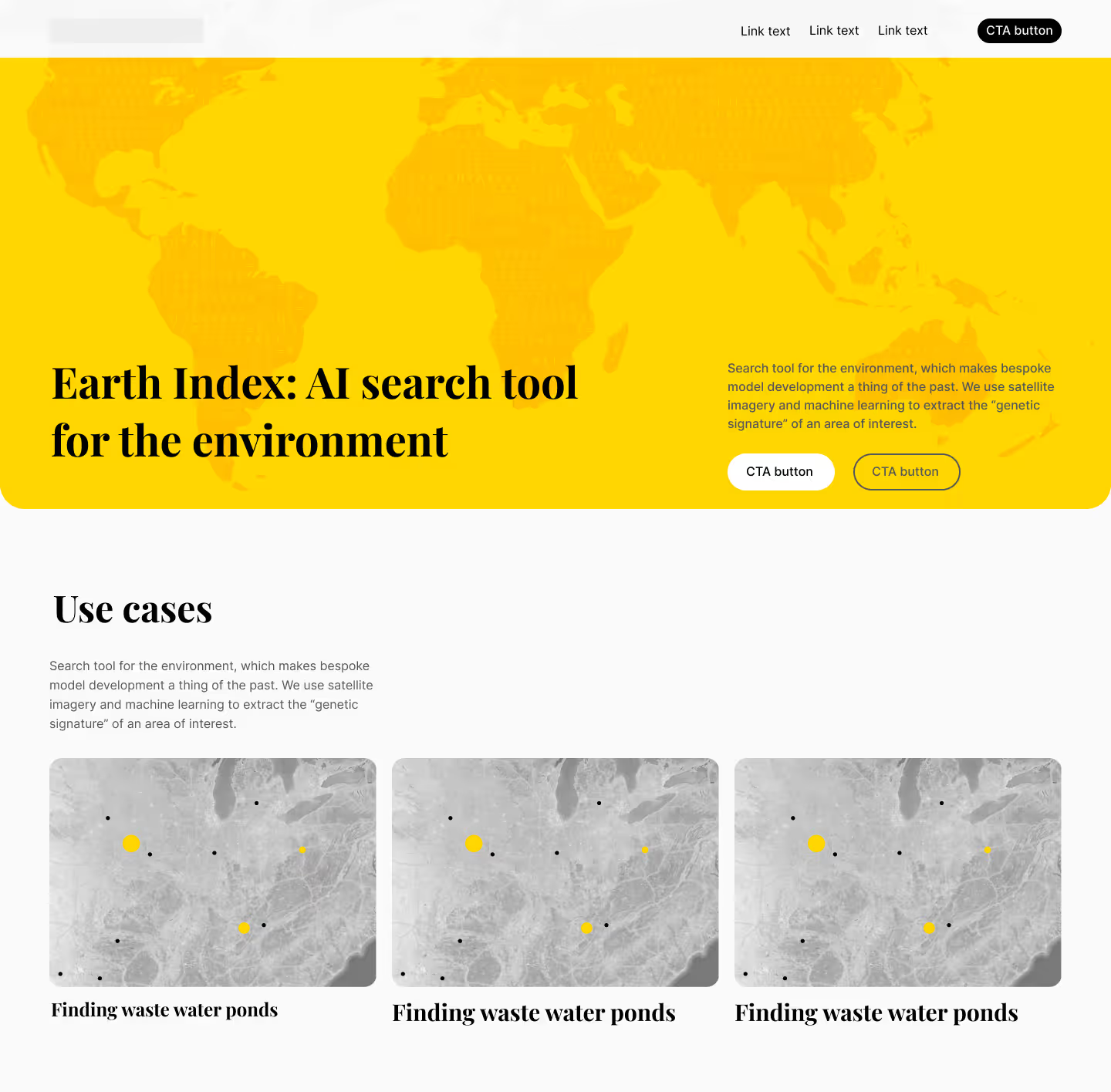
With a clear sense of Earth Index’s tone and visual vocabulary, we moved into early prototyping. These homepage explorations tested a range of design approaches — from light and editorial to dark and technical — each anchored by the idea of Earth Index as an intelligent planetary tool. We experimented with different world map treatments, headline placements, and typographic moods to convey the precision and reach of the platform. These concepts helped us and the client quickly align on a direction that felt both credible and future-facing.
Wireframes & Web Design (2022)
Wireframes
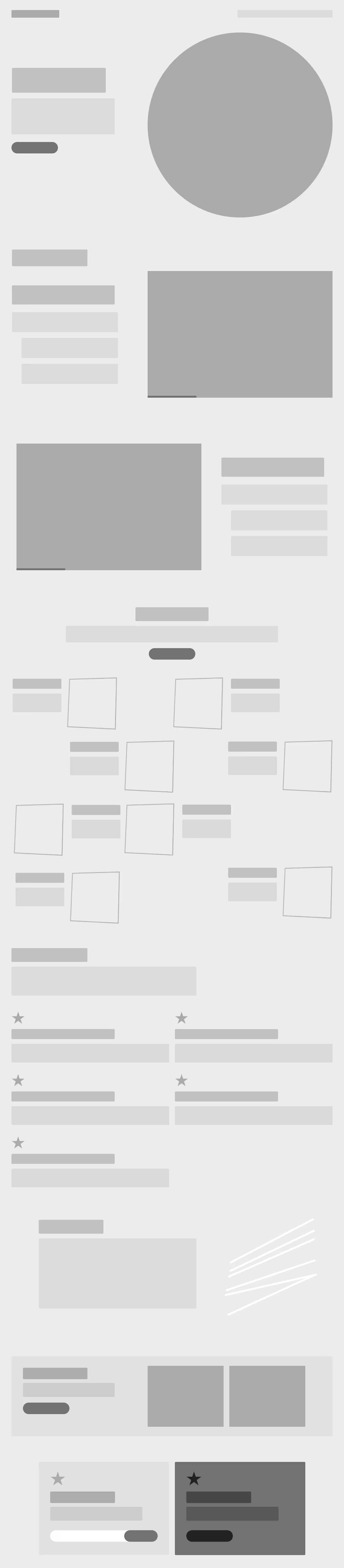
Design

Along with the page design we prepared, developed, and animated two interactive scrollytelling (animated on scroll) elements on the page:
Discovery & direction (2025)
In 2025, the Earth Genome team returned to continue our collaboration — this time to bring Earth Index to the public. The tool had matured from an internal prototype into a usable platform, and it needed a website that reflected its readiness, utility, and clarity. The earliest prototypes introduced dynamic tile-based animations triggered on mouse movement, revealing satellite imagery in a way that mimicked the search functionality of the Earth Index tool itself.
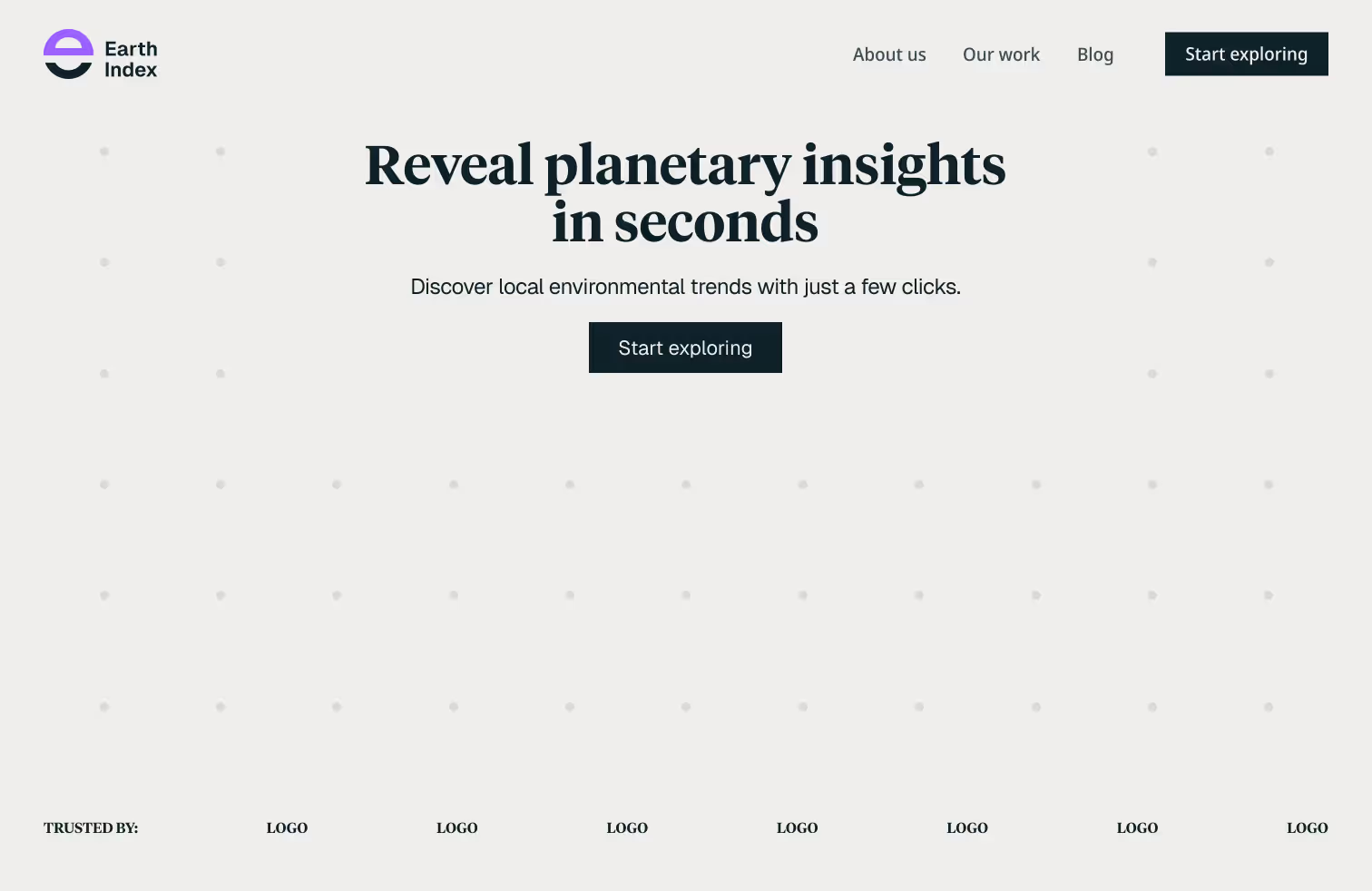
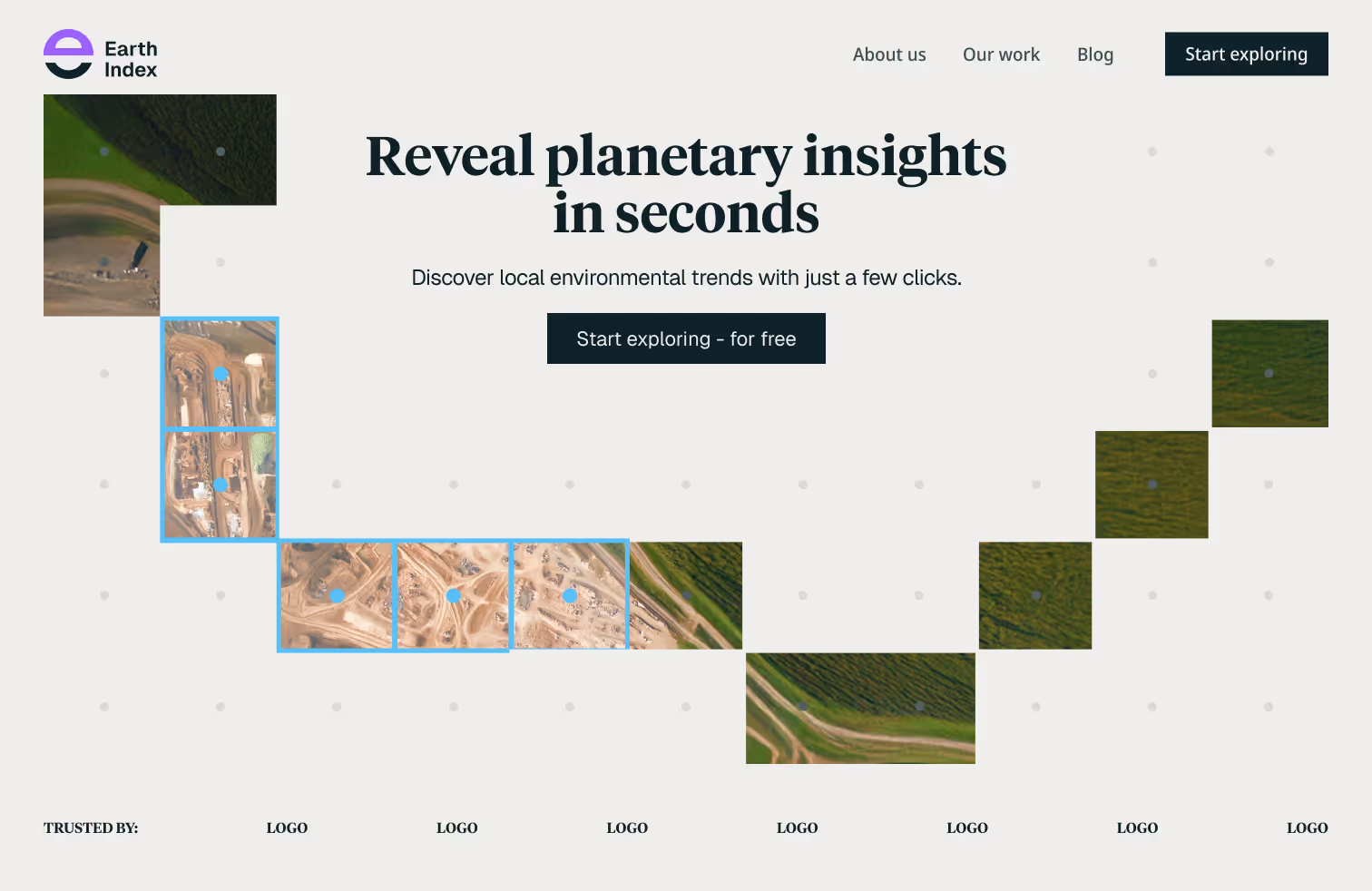
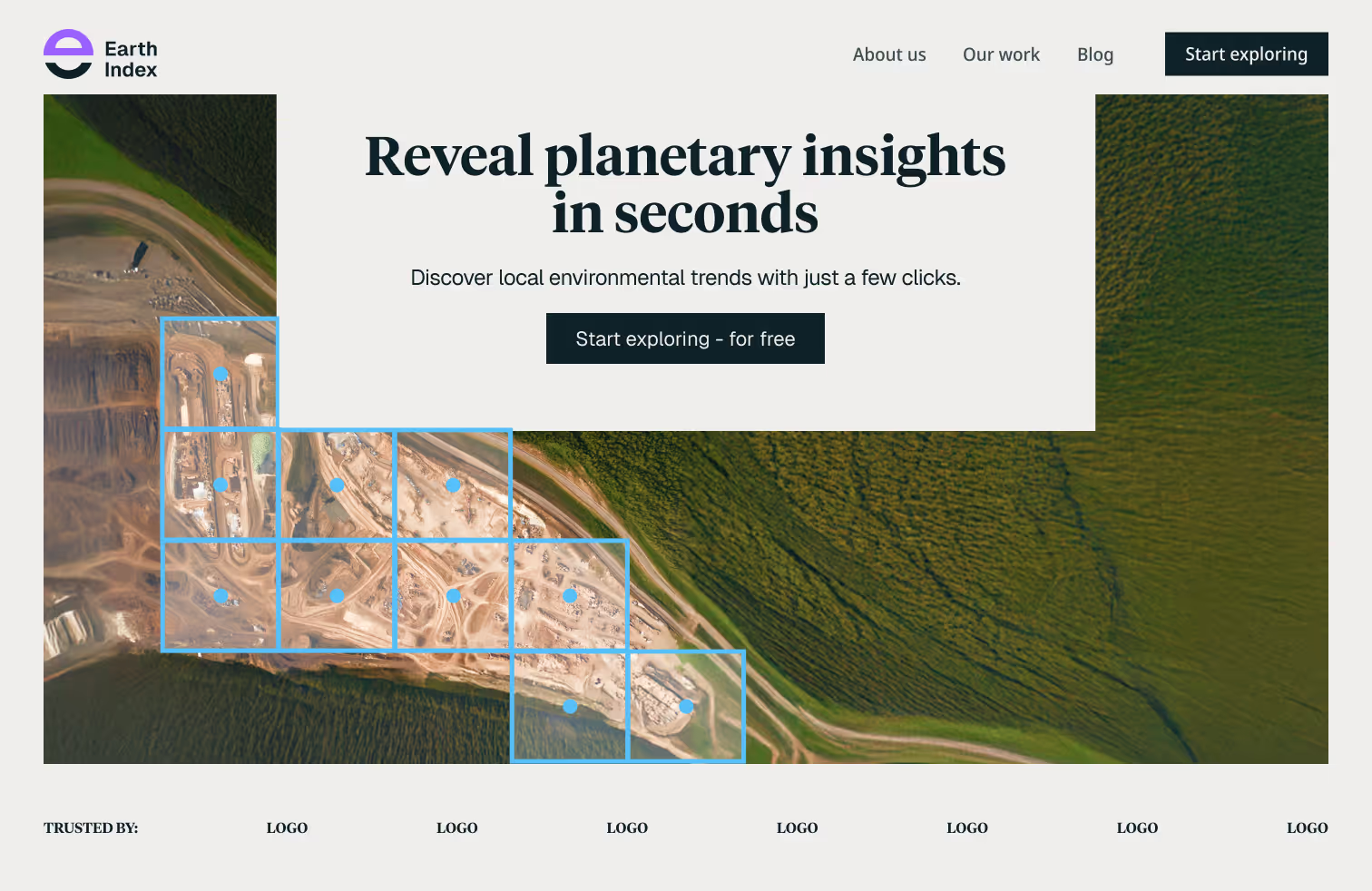
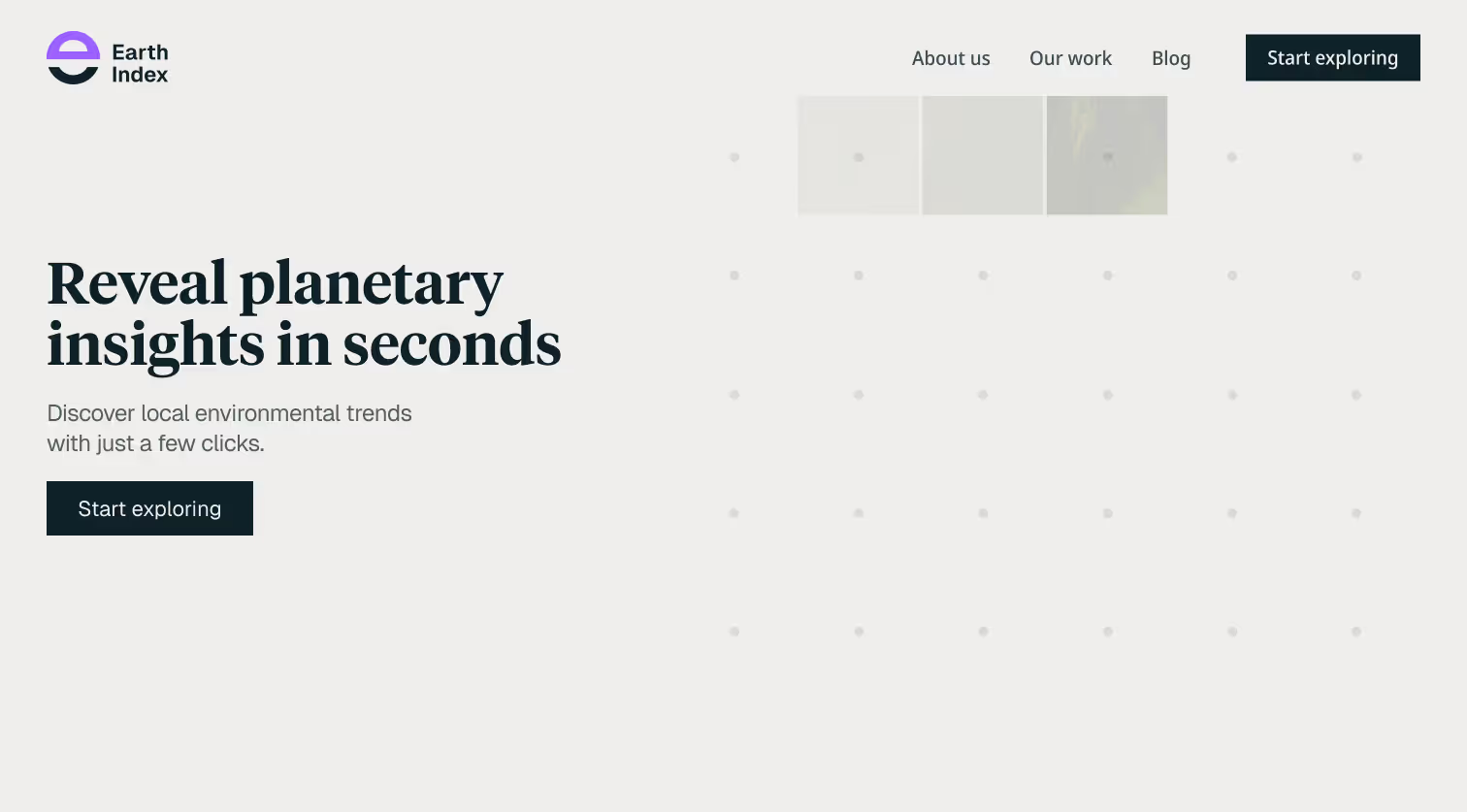
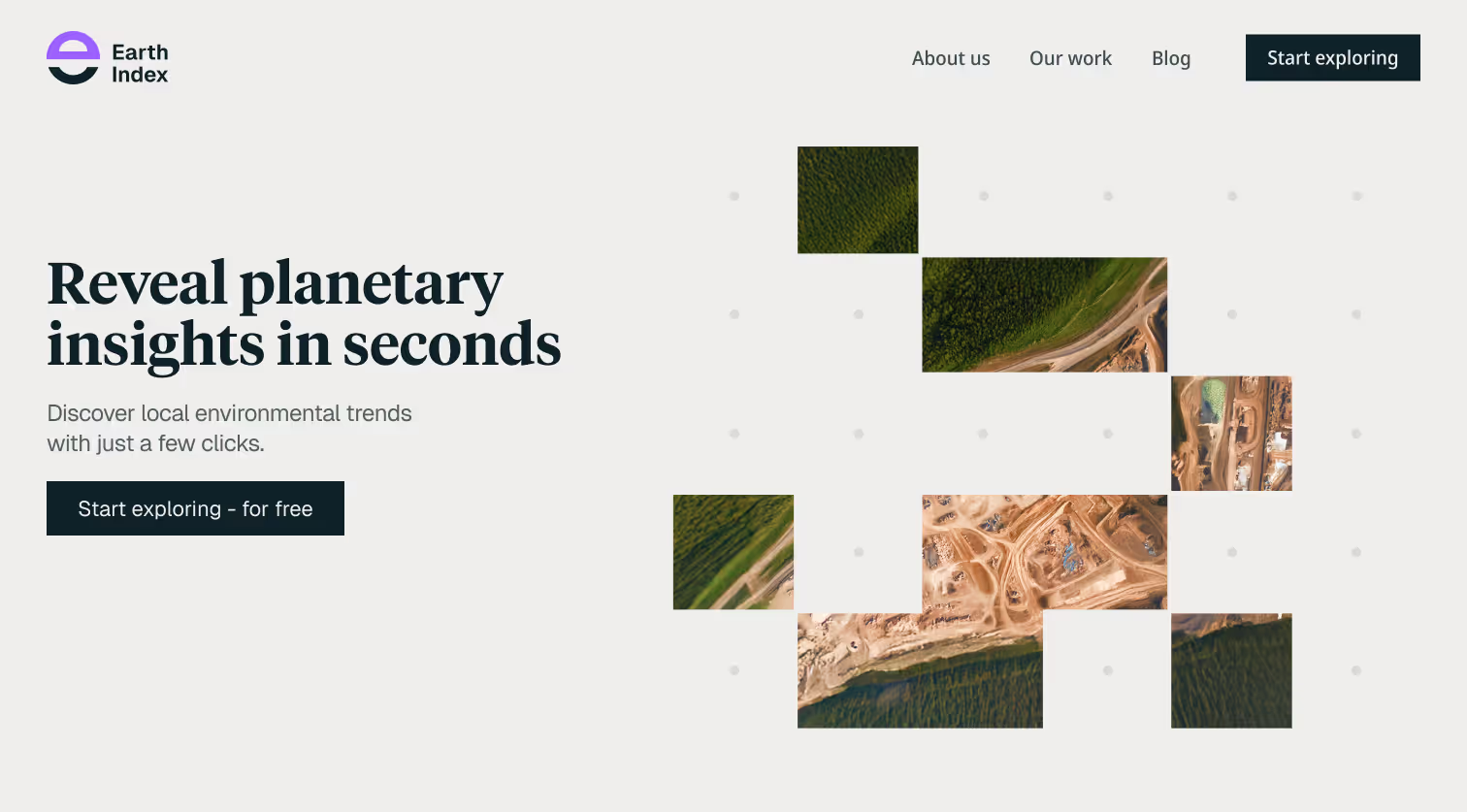
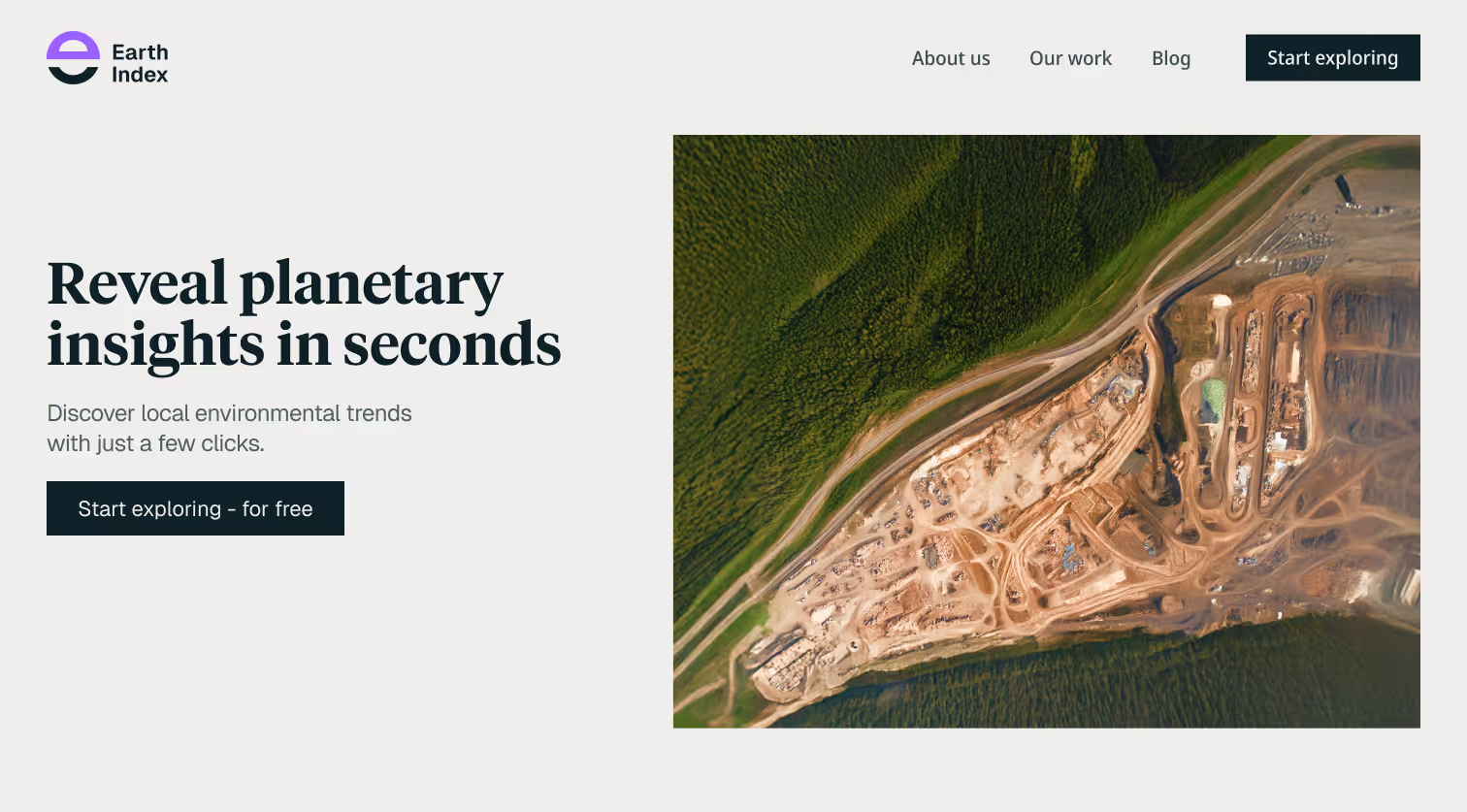
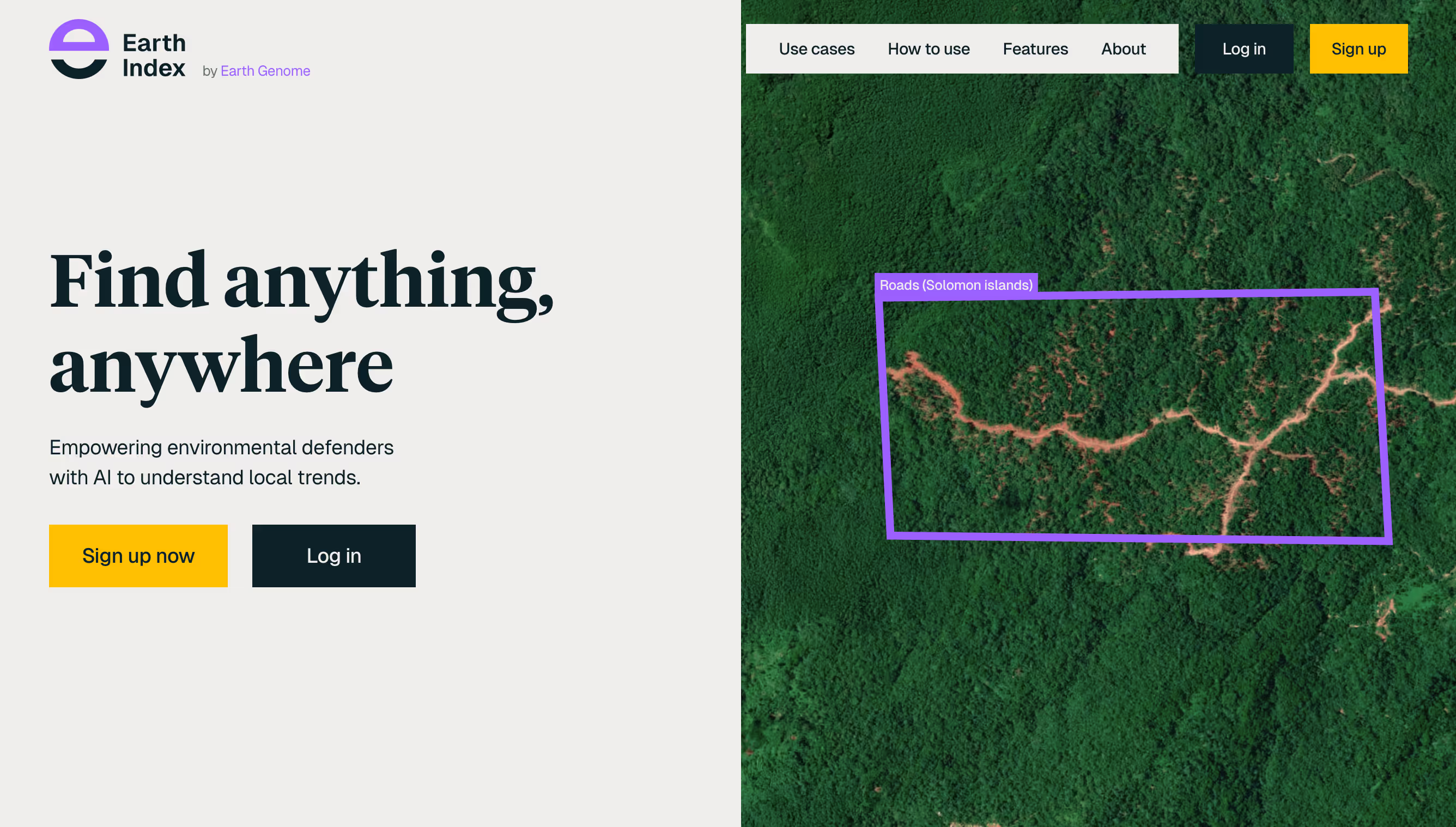
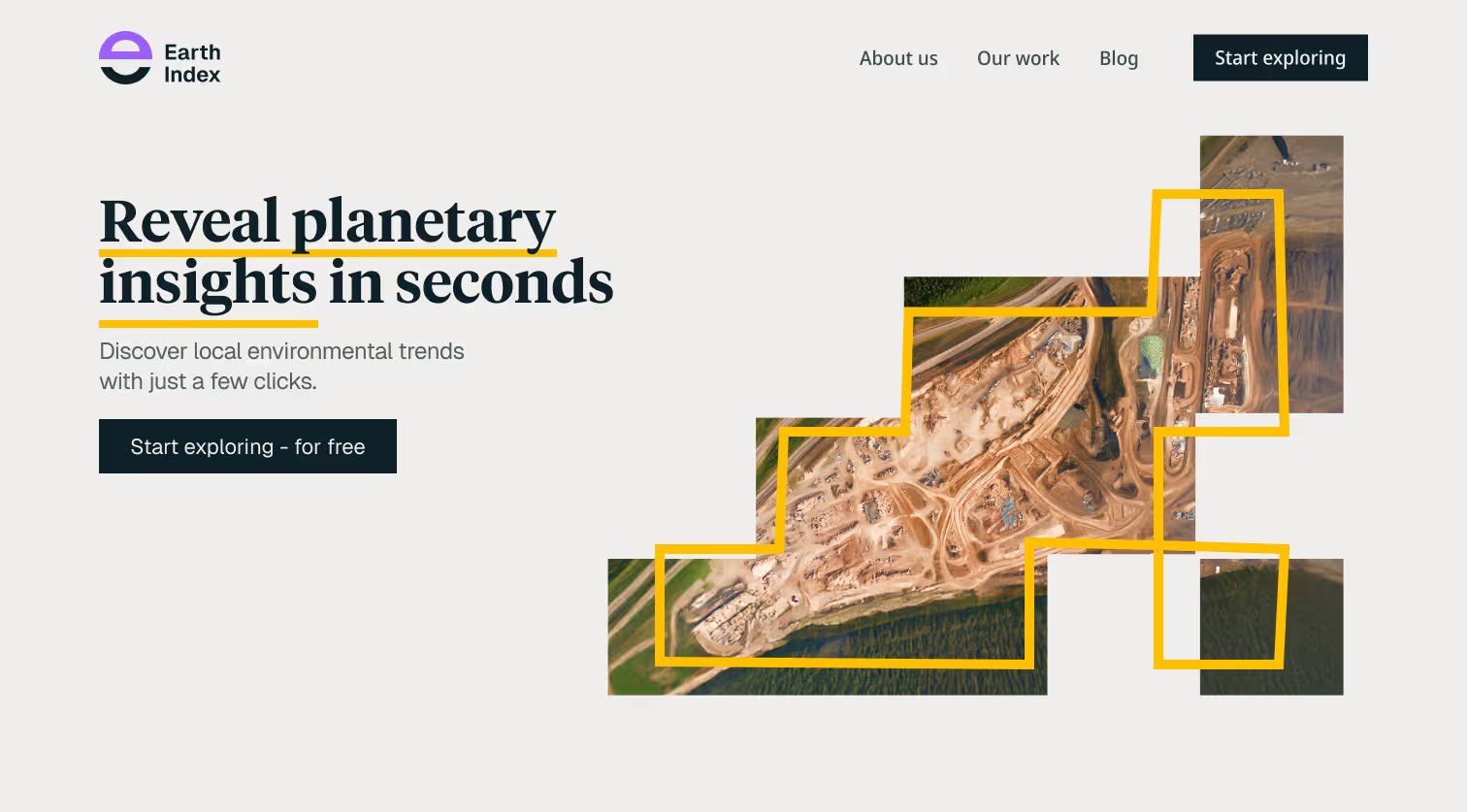
The further explorations led us to the idea of highlighting an area of interest on a satellite imagery, naming the selection with the respective tags.
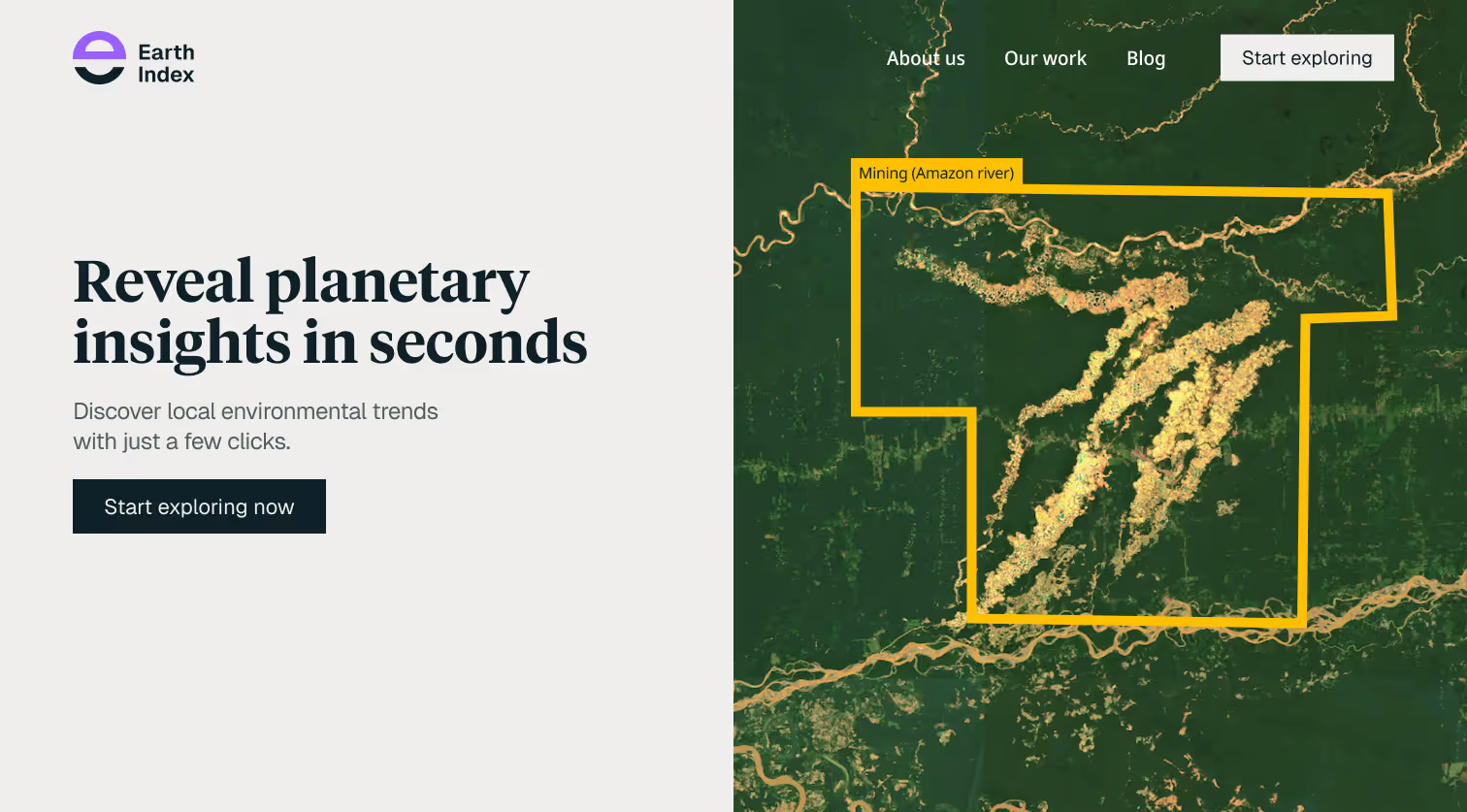
Wireframes & Web Design (2025)
Wireframes

Design
.avif)
Development & Integration
- Webflow front-end fully responsive and scalable.
- Custom CSSR framework for scalable CSS classes implementation (fixed minified CSS file weight).
- GSAP and Webflow animations.
- Performance optimizations for low-bandwidth rural areas

Impact
Earth Index now has a home that reflects the speed, power, and clarity of the tool itself. The site serves as a critical link between Earth Genome’s flagship product and its growing user base of researchers, nonprofits, and mission-aligned technologists.
- Clear explanation of a complex tool in just a few steps.
- Significantly improved access for non-technical users.
- Foundation for future outreach, publishing, and product launches.
Team & collaborators

Mikel Maron — product Lead at Earth Genome.

Slava Fedosenko — project lead across strategy, UX, UI, visual direction, and development.

Alyona Belyakova — design partner on visual explorations and conceptual framing.